
ECS SRIA 2027
3.4 Health and Wellbeing
On this page
- 3.4.1 SCOPE
- 3.4.2 APPLICATION TRENDS AND SOCIETAL BENEFITS
- 3.4.2.1 Application trends
- 3.4.2.2 Societal benefits
- 3.4.3 MAJOR CHALLENGES
- 3.4.3.1 Major Challenge 1: Enable digital health platforms based upon P4 healthcare
- 3.4.3.2 Major Challenge 2: Enable the shift to value-based healthcare, enhancing access to P4 healthcare technologies
- 3.4.3.3 Major Challenge 3: Support the development of the home as the central location of the patient, building a more integrated care delivery system
- 3.4.3.4 Major Challenge 4: Enhance access to personalised and participative treatments for chronic and lifestyle-related diseases
- 3.4.3.5 Major Challenge 5: Ensure more healthy life years for an ageing population
- 3.4.4 TIMELINE
3.4.1 SCOPE
Technological effervescence
In the field of Digital Health, a significant discrepancy can be observed. There are thousands of digital health solutions available on the market, and thousands more are being developed, mostly by tech companies (including start-ups) that are entering the sector for the first time, rather than traditional healthcare companies.
Many of these companies have high expectations, but they are learning that success depends on demonstrating a clear clinical need, fitting into real care pathways, involving clinicians early, and navigating a complex and highly regulated sector.
As a result, only a small fraction of digital health innovations succeeds in the market. Certain aspects of the healthcare industry may also hinder market entry, including inconsistent regulatory interpretation across countries and concerns regarding the reimbursement of medical technologies.
Another issue lies in the conventional practices regarding the manufacture of medical devices and equipment, as many such devices and items of equipment will, for the most part, continue to be developed as dedicated instruments for specific clinical applications, and rightly so given the regulatory and clinical adoption constraints involved. This inevitably constrains the return on investment that can be expected from any single design, and more critically limits the volume effects on which the semiconductor industry depends — with healthcare today representing barely 1% of the total addressable market for semiconductors. The opportunity for the ECS community does not lie in pursuing multi-application devices, but one level below, at the level of architectures: reusable platforms and reference designs that can be embedded, with minimal adaptation, across a family of distinct, clinically validated devices, allowing volume to be aggregated across applications without requiring any single device to be multi-purpose. The objective of the Chapter is to highlight the business opportunity that the current acceleration of Digital Health Transformation should bring for the ECS community, especially through this logic of architecture reuse rather than device reuse.
Healthcare systems sustainability
Current megatrends highlight the ubiquity of healthcare in our society. Both urbanisation and rural depopulation create healthcare delivery challenges: dense urban settings amplify population-related health issues, while remote and underserved areas face reduced access to care, especially for elderly populations. The ageing population means more health issues, such as chronic diseases. The COVID-19 pandemic has shown that major health crises have a global impact and require preparedness: in addition to their catastrophic effects on population health, they may disrupt access to health services worldwide, even where access already needs improvement for certain population groups.
Healthcare costs are escalating worldwide. In 2040, the world will be collectively spending an estimated $20 trillion every year on healthcare, representing a 150% increase compared with 2014, according to a study published in The Lancet. This explains why almost all countries have established explicit national strategies to manage costs, by using more effective treatments along with Digital Health strategies associated with roadmaps to deploy solutions. Technology adoption, through the healthcare digital transformation, is considered a pivotal element in securing the sustainability of health systems worldwide.
By adopting a prevention-first, participatory model—co-designed with patients and caregivers—we aim to improve care pathways and transparently report outcomes such as time-to-diagnosis, 30-day readmissions1, nurse time allocation, and service utilisation, ensuring accountability and continuous improvement.
Opportunity for the European Electronic Components and Systems industry
The emergence of so-called P4 healthcare – predictive, preventive, personalised, participatory – as opposed to reactive healthcare, is blurring the lines between medical technology (MedTech), life sciences, the pharmaceutical industry and the electronic components and systems (ECS) industry, opening the way for healthcare innovation. This is a huge opportunity for the European ECS industry, its worldwide MedTech, life sciences and pharma market leaders, as well as the 25,000 SME MedTech companies across Europe, since the new healthcare ecosystem will rely on digital instruments (including patient diagnostic and monitoring equipment, laboratory instruments, etc.), advanced electronic sensors and photonics, microelectromechanical systems (MEMS), and the production capabilities of the ECS industry: small to large volumes, high quality and competitive cost.
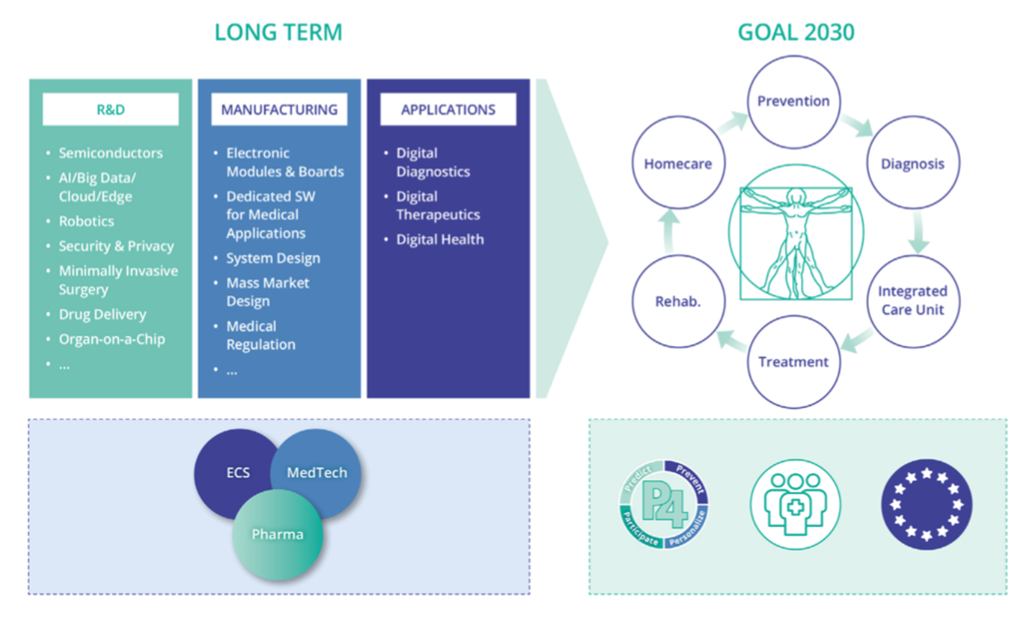
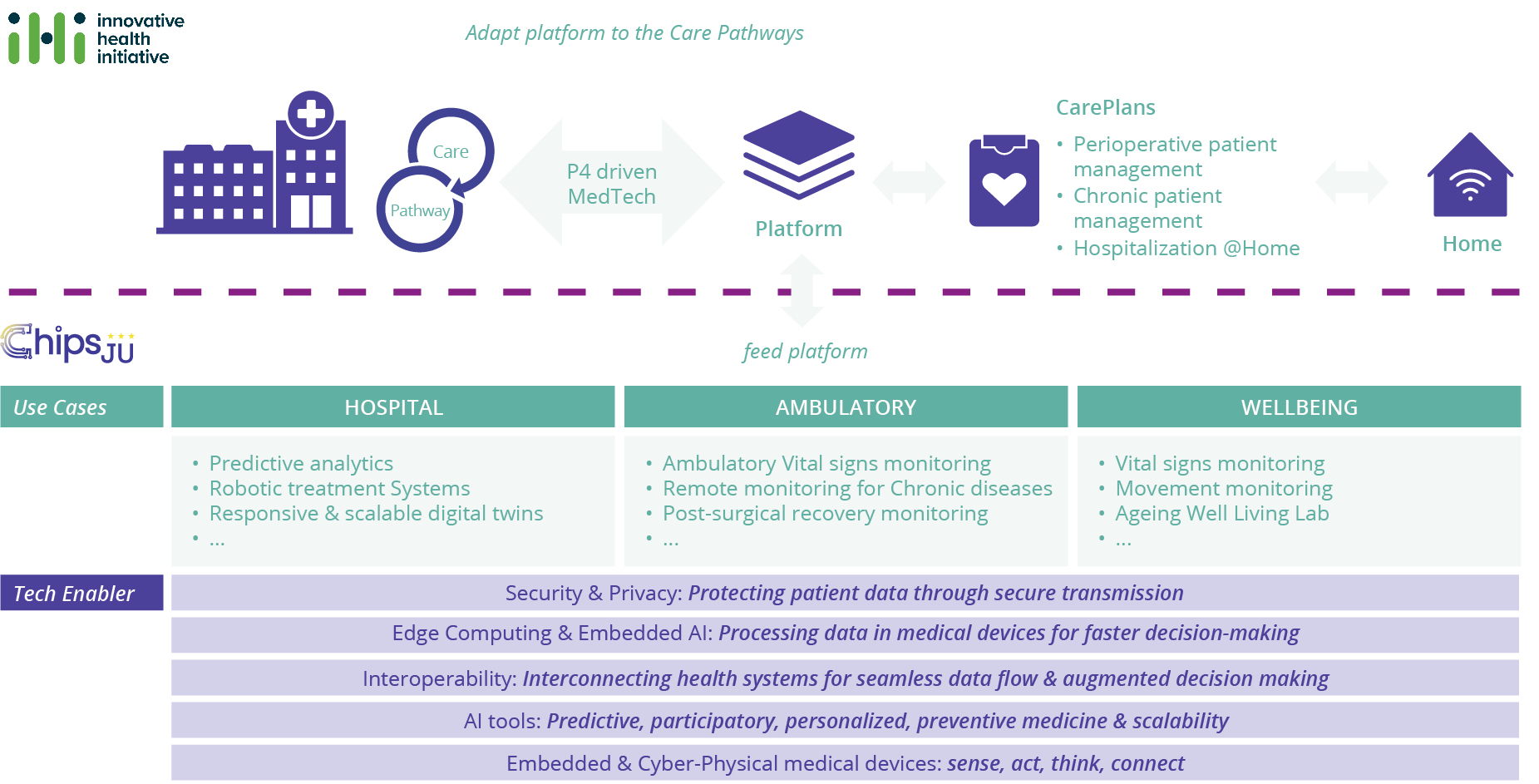
Figure 3.4.3 - Complementary efforts of ChipsJU and the Innovative Health Initiative (IHI)
3.4.2 APPLICATION TRENDS AND SOCIETAL BENEFITS
3.4.2.1 Application trends
Digital health is a relatively new field that is still in its early stages of development. It is based on aspects like wearable devices, remote patient monitoring, prevention, ageing well and P4 medicine, which together are showing great promise for health and wellbeing. The technologies enabled by the chip industry have the potential to significantly disrupt the healthcare industry. They will change the way healthcare is delivered, make healthcare more accessible, and improve patient outcomes. Technical solutions shall also cover the full health value chain, from research and prevention to diagnosis, acute treatment and rehabilitation.
First, innovation in healthcare is connected to “Industry 4.0”. “Healthcare 4.0" and "Industry 4.0" are related concepts influenced by different factors specific to their respective industries. Healthcare 4.0 refers to the application of Industry 4.0 technologies specifically within the healthcare sector. The adoption rate of these technologies is slower in healthcare due to differing regulations, ethical considerations and infrastructure requirements.
“Healthcare 4.0” technologies are fundamentally changing the way healthcare is delivered and received, leading to a more connected, personalised, and data-driven health landscape and towards “integrated care”, e.g., the integration of various components of healthcare facilitating coordinated care, multidisciplinary collaboration, personalised medicine...
“Healthcare 4.0” means moving away from centralised clinical models, with a greater focus on patient care outside of hospitals and on behavioural health. “Healthcare 4.0” also has the potential to break down the fragmentation between disciplines. Remote patient monitoring is, for instance, a cross-cutting application across different pathologies and use cases and offers broader opportunities for manufacturers than a dedicated medical device for a specific pathology. Another related and important aspect amplifies this “platform effect”. The boundaries between Pharma, MedTech and electronics companies are blurring due to the digitisation of healthcare, e.g., “Healthcare 4.0”. MedTech companies are focusing on the development of advanced wearable devices, implantable sensors, research and diagnostic tools, and connected healthcare solutions to improve patient monitoring, research, diagnostics, treatment, and overall healthcare delivery. Pharmaceutical companies are leveraging digital health solutions, such as mobile applications, wearable devices, and remote monitoring systems, to enhance patient engagement, monitor treatment adherence, collect real-time health data, and provide personalised support. In addition, researchers, diagnostic experts and clinicians in academia, hospitals, and pharma are using ECS-based advanced research instruments and data analysis to improve understanding of the scientific causes of illnesses, including at the molecular scale. This is resulting in more effective treatments, from both clinical and cost perspectives, better prevention strategies and, eventually, truly personalised medicine at the physiological level.
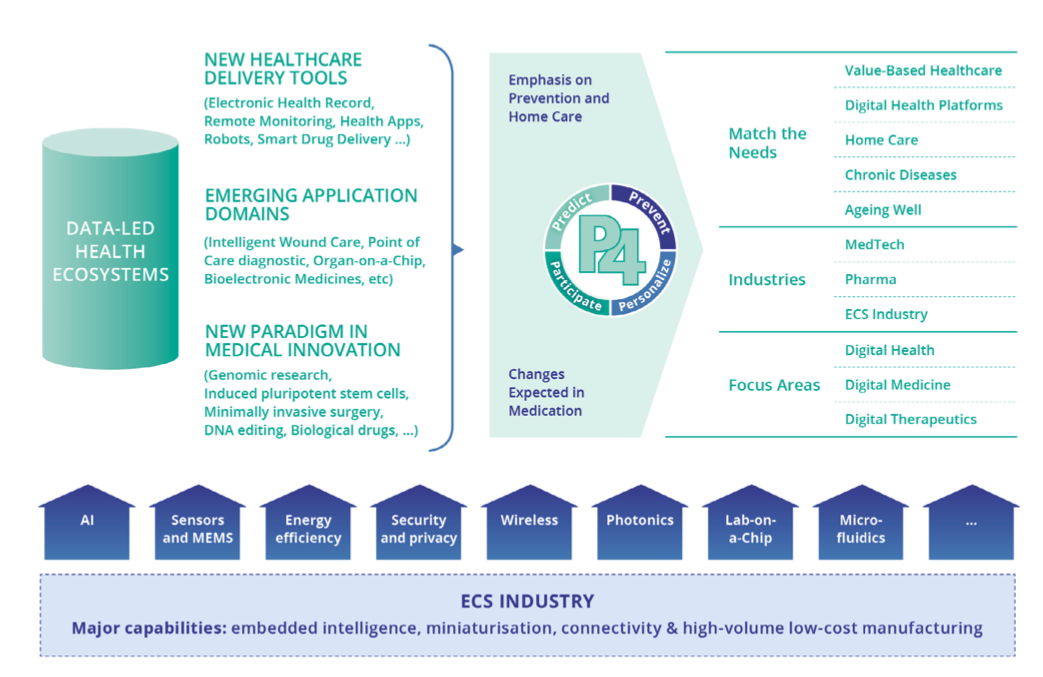
Figure 3.4.4 - Synergies in Data-Powered Health: Unveiling P4 Medicine & Future Use Cases through Industry Convergence (Source: STMicroelectronics)
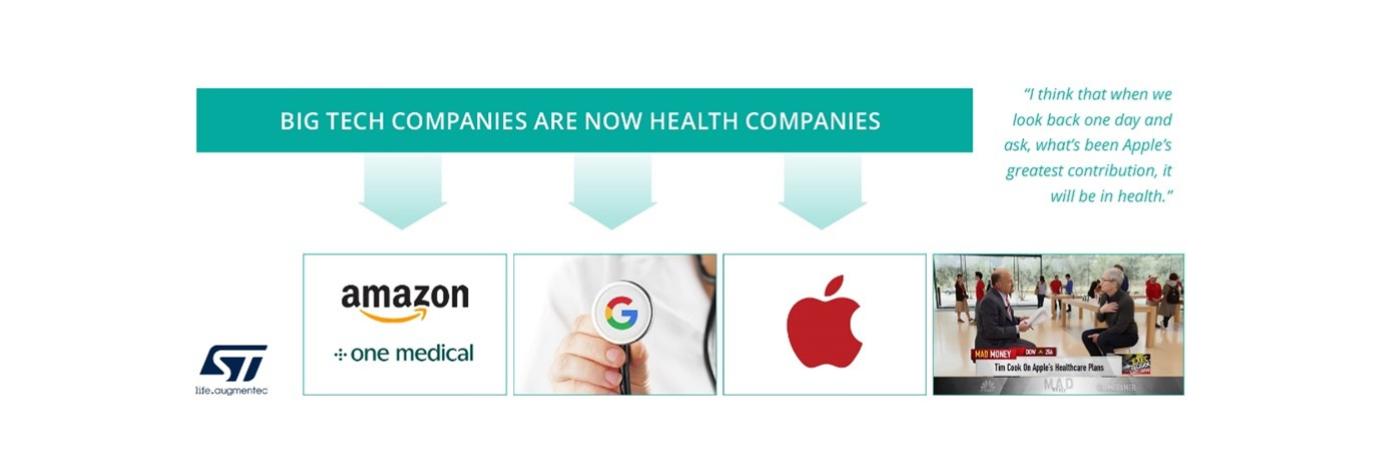
Second, the consumerisation of medical devices leads to an increased demand for, and wider use of, microelectronic components and systems. The consumerisation of day-to-day health is driven by technology, including the growing involvement of “Big Tech” (Apple, Google, Amazon...), and is most clearly illustrated by wearables (watches, hearables, rings, glasses, …) and consumer apps. This is changing the way “Health Consumers” or even “Patients” expect to interact with healthcare.
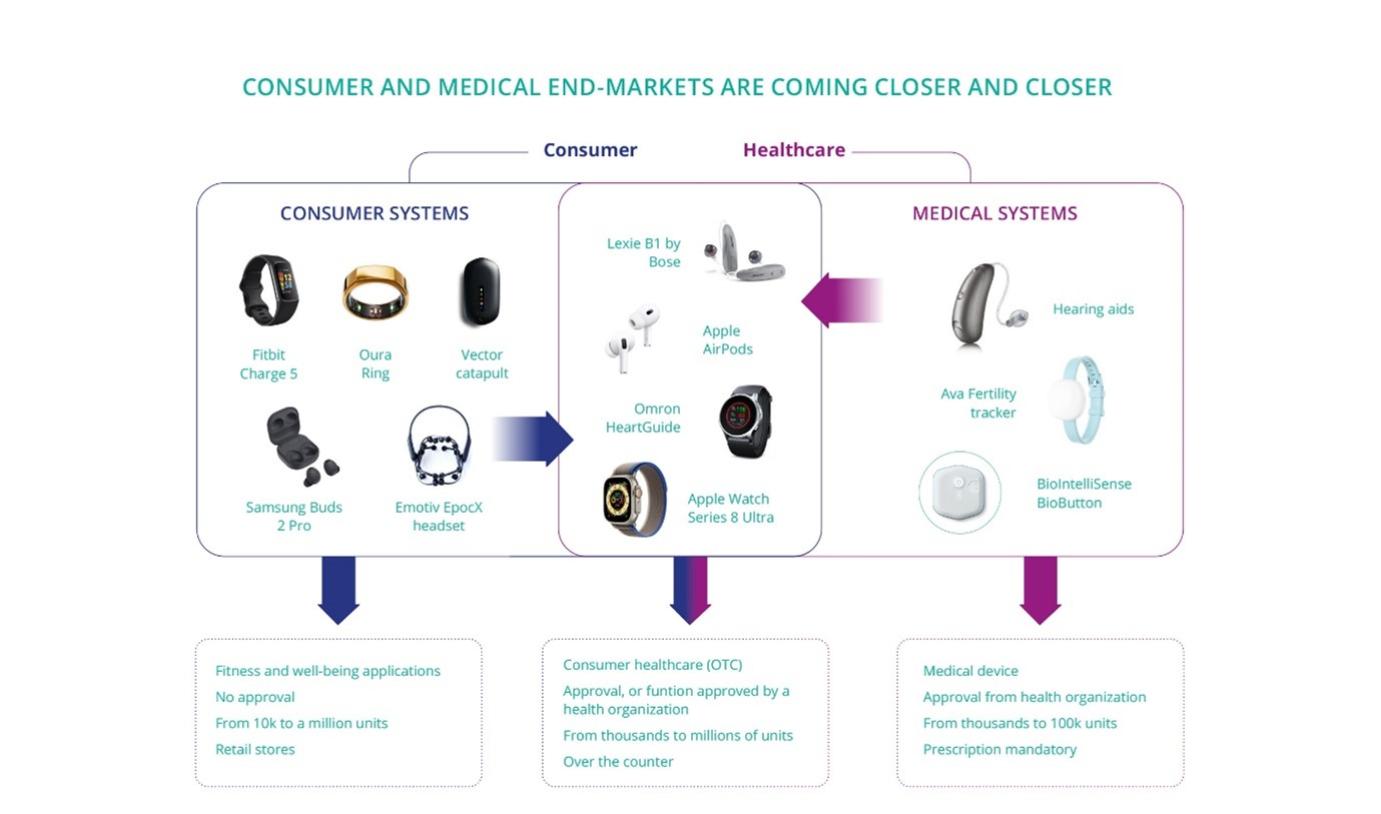
Consumerisation is essential for the sustainability of healthcare systems, as it emphasises preventive care and early intervention. Consumerisation also encourages innovation and disruptive technologies within healthcare, enabling new care models where patients actively participate in treatment decisions and care plans. Digitisation of healthcare systems is lagging far behind the consumer domain and needs reinforcement due to its 'under-the-hood' nature and high complexity and specific requirements, further complicated by typically small product volumes. Consequently, many benefits familiar from the consumer domain are missing from healthcare systems.
Third, data makes customisation on a large scale possible. Customisation is the driving force behind the trend towards P4 medicine. Mass customisation combines the advantages of mass production (high volume, efficiency, and cost-effectiveness) with the benefits of customisation. Mass customisation in healthcare is closely linked to wearable devices (watches, hearables, rings, glasses, …) and the Internet of Things (IoT), requires AI and machine learning, allows personalised treatment plans through smart drug delivery systems, and may involve point-of-care diagnostic solutions that enable rapid and personalised testing.
Societal trend: The shortage of staff in hospitals, coupled with increasing workflow burdens, poses significant challenges to healthcare delivery and operational efficiency. As hospitals try to deal with this issue, the remaining healthcare professionals find themselves dealing with increased workloads, which often lead to fatigue and burnout. This scenario can compromise the quality of patient care, as clinical staff may struggle to provide adequate attention to each patient, potentially impacting diagnostic accuracy and treatment effectiveness. Moreover, the constant pressure to manage high caseloads contributes to heightened stress levels, adversely affecting the mental health and job satisfaction of healthcare providers. Burnout emerges as a critical concern, leading to high turnover rates that further exacerbate staffing shortages.
These staffing constraints can reduce access to healthcare services, forcing hospitals to limit patient admissions and the scope of services offered. In addition, the burden limits opportunities for staff training and development, diminishing readiness to embrace new practices and technologies. Operational inefficiencies arise as workflow bottlenecks caused by understaffing hamper hospital processes, with delays often stemming from inadequate use of technology or inefficient processes.
Healthcare technology trend: Another important trend in hospital healthcare is the increasing adoption and development of minimally invasive treatment techniques and technologies. This trend is driven by advancements in medical technology, including imaging, robotic-assisted surgery and interventional radiology. These techniques allow surgeons to perform complex procedures through smaller incisions or natural orifices, using specialised instruments and cameras to guide the operation. The following aspects are needed for this:
1. Technological Advancements:
Development of imaging systems that enhance visualisation for physicians
Introduction of assistive SW/HW tools to ease or automate parts of the clinical procedure workflow
Increased use of robotic systems that provide greater precision and control.
Utilisation of smart instrumentation and enhanced navigation systems.
2. Broadening Applications:
Expansion of minimally invasive procedures into more complex surgeries, including cardiovascular, orthopaedic, neurosurgical, and bariatric procedures.
3. Patient-Centric Focus:
Shift towards improving patient outcomes and experiences by reducing recovery times and minimising complications.
Climate change: Electronic devices and digitalisation approaches, which could be deployed in low- and middle-income countries, could contribute to the fight against endemic infectious diseases. Climate change is having a clear negative effect, facilitating the rapid spread of these diseases. Digital solutions that aid in the early and rapid detection of infectious outbreaks and that could be cost-effective and easily mass-produced could help stop the spread of such diseases. Examples of diseases where digital solutions could play an important role include tuberculosis and malaria.
3.4.2.2 Societal benefits
Companies in the MedTech and Pharma industries are transitioning from focusing on individual therapies to providing all-inclusive healthcare solutions and developing scalable platforms that can host a range of digital health services utilising smart devices and data analysis to enhance therapy outcomes and align with value-based healthcare principles. These initiatives will improve the general well-being and quality of life for many people. For conditions such as dementia, hearing impairment and vision impairment, stigmatisation and isolation can be mitigated, allowing patients to participate more actively in social life.
Beyond increased accessibility and cost efficiency, incorporating artificial intelligence and advanced data analytics facilitates better collaboration among healthcare professionals to make highly informed decisions, resulting in enhanced patient outcomes. Moreover, the implementation of predictive analytics aids in the timely identification of diseases, promoting early intervention and preventing further complications. Patients have a more interactive and engaged healthcare experience.
Hospitals and clinics can use data analytics to predict patient inflow and manage their resources more efficiently. Big data analytics can provide valuable insights into disease patterns, treatment outcomes, and patient behaviours, driving research and innovation, and also help monitor and respond to global health crises, like pandemics.
A well-known issue in the Digital Health transformation is that regulation must keep pace with innovation. Innovation is potentially limited by a lack of regulations, specifically in innovative areas such as mobile health, digital therapies, and technologies such as big data or AI. In the European landscape, regulatory hurdles, ecosystem transformation and appropriate, redesigned payment schemes are currently being addressed to allow the EU to gain a strategic advantage in the digital transformation of healthcare.
Reduced Recovery Time: Patients typically experience shorter hospital stays and faster recovery periods due to less trauma to the body.
Decreased Pain and Scarring: Smaller incisions often result in less postoperative pain and fewer visible scars, improving patient comfort and satisfaction.
Cost-Effectiveness: While the initial setup for minimally invasive technologies can be costly, the overall reduction in hospital stays and complications can reduce healthcare costs over time.
Higher Patient Turnover: Shorter recovery times can lead to increased patient throughput and more efficient use of hospital resources.
Improved Access to Treatment and Healthcare: As technologies become more widespread and affordable, a greater number of patients can benefit from minimally invasive procedures. Also, these technologies improve the efficiency of hospital staff workflows, thereby reducing staffing constraints. This will increase access to healthcare.
Overall, these advancements contribute to improved quality of care and greater efficiency in healthcare delivery, reflecting a positive impact on both individual patient outcomes and societal healthcare resources.
3.4.3 MAJOR CHALLENGES
Five Major Challenges have been identified for the healthcare and wellbeing domain:
Major Challenge 1: Enable digital health platforms based upon P4 healthcare.
Major Challenge 2: Enable the shift to value-based healthcare, enhancing access to P4 healthcare technologies.
Major Challenge 3: Support the development of the home as the central location of the patient, building a more integrated care delivery system.
Major Challenge 4: Enhance access to personalised and participative treatments for chronic and lifestyle-related diseases.
Major Challenge 5: Ensure more healthy life years for an ageing population.
A multi-stakeholder coalition—bringing together ECS actors, MedTech and Pharma companies, healthcare providers, industry associations, and patient groups—can steer interoperability, evidence generation, and adoption of trusted digital health solutions across Europe.
3.4.3.1 Major Challenge 1: Enable digital health platforms based upon P4 healthcare
3.4.3.1.1 Status
The MedTech industry is in the process of transitioning from an industry primarily producing high-end hospital equipment to one that will increasingly serve point-of-care (PoC) professionals and “health consumers”, thereby moving from a product-based approach to the provision of “integrated services”.
Electronic medical technologies, such as the Internet of Medical Things (IoMT), minimally invasive implants, energy-efficient devices, advanced analytics, cognitive computing for advanced clinical decision support, cybersecurity and enhanced network capabilities for continuous data access (to mention only a few of those listed below in the section “Key focus areas”), will support the deployment of P4 healthcare in a data-led environment.
3.4.3.1.2 Vision and expected outcome
The P4 healthcare vision is not only about placing doctors and other health professionals at the centre of the care process, but also about including everyone relevant to the health consumer. Although the healthcare ecosystem operates in a highly regulated environment, by 2030 we can expect this trend to progressively become the norm. The ECS community should participate in the development of dynamic healthcare systems that learn in real time from every result, achieve a better understanding of treatment response and prognostic heterogeneity, and introduce more refined, patient-tailored approaches to disease detection, prevention, and treatment.
The P4 healthcare vision, enabling for instance early diagnostics based upon merged data and machine-learning techniques through the detection of weak signals, allows preventive treatments that are far less intensive than acute treatments and increase the chances of survival and improve quality of life. The MedTech industry is not alone on this journey. New pharmaceuticals and treatments will be developed for personalised medicine settings through the use of advanced research techniques and equipment, embedding connected devices and exploiting the potential of the IoT and AI.
The future of personalised medicine lies at the intersection of biology, engineering, and artificial intelligence. Advanced in vitro platforms—such as Organ-on-a-Chip (OOC) systems and 3D tissue models—are enabling the generation of highly specific, human-relevant biological data. These models replicate patient physiology more accurately than traditional methods, offering a powerful foundation for individualised insights. Layered on top of this, AI-driven multiomics analysis integrates genomic, proteomic, and metabolic data to decode the complex molecular signatures of health and disease. This allows for the identification of precise biomarkers and tailored therapeutic strategies. Looking ahead, predictive disease modelling will transform care from reactive to proactive. By simulating disease progression and treatment outcomes, these models will enable early intervention and long-term health planning. Together, these innovations are not just enhancing diagnostics and treatment—they are redefining medicine as a deeply personal, data-driven discipline.
This is all creating a new industry, one that revolves around digital health platforms. This platform-based new-market disruption will enable the emergence of specialised platforms, and new players will enter the health domain. This will impact current business models in healthcare, using aggregated data to create value rather than devices – supporting, for instance, proactive services, facilitating outcome evaluation for the treatment of different therapies, and paving the way for outcome-based or pay-per-use reimbursements. This is a potential path to reducing the burden of healthcare expenditures.
The P4 healthcare model—predictive, preventive, personalised, and participatory—integrates seamlessly with image-based diagnosis and treatment, enhancing its effectiveness and impact across the healthcare continuum. Here is how each component contributes to image-based medical practices:
Predictive:
Advanced Imaging Techniques: Predictive healthcare leverages advanced imaging technologies such as MRI, CT scans, and PET scans to identify potential health issues before clinical symptoms arise. These imaging modalities can detect early markers of diseases like cancer or cardiovascular issues, providing crucial information for risk assessment and early intervention.
AI and Machine Learning Algorithms: Predictive analysis uses AI and machine learning to evaluate imaging data, identifying patterns and forecasting disease progression or treatment outcomes. This approach assists in refining diagnosis accuracy and improving prognostic capabilities.
Preventive:
Routine Screening and Monitoring: Image-based tools are vital in preventive healthcare, enabling regular screenings to detect abnormalities early. Techniques like mammography and low-dose CT for lung cancer screening exemplify preventive applications, reducing the prevalence of advanced-stage diseases through early detection.
Integration with Lifestyle and Health Monitoring: Imaging can be combined with data from wearable devices and other health monitoring systems to provide comprehensive assessments, facilitating interventions aimed at disease prevention and health maintenance.
Personalized:
Tailored Imaging Protocols: Personalised healthcare ensures that imaging protocols are adapted to the individual’s specific health risks and needs. This personalisation enhances diagnostic precision and helps devise customised treatment plans that reflect the patient’s unique biological makeup.
Quantitative Imaging: Techniques like radiomics extract large volumes of quantitative data from imaging that can inform personalised treatment plans, such as tailoring radiation therapy doses based on tumour characteristics.
Participatory:
Patient Engagement through Imaging Data: Participatory healthcare encourages patient involvement in their treatment process, facilitated by easy access to imaging results and reports. Patients can engage more actively in their healthcare decisions when they understand the visual evidence of their health status and disease progression.
Collaborative Decision-Making: Imaging data fosters a collaborative environment among healthcare providers and patients, allowing for better-informed decisions regarding diagnostic and therapeutic options. Patients can discuss imagery with clinicians, ask questions, and make choices aligned with their preferences and values.
Overall Contribution
By incorporating the paradigms of P4 healthcare, image-based diagnosis and treatment become more effective and patient-centric. Predictive imaging aids early detection and informs preventive strategies, while personalised imaging enhances diagnostic accuracy and treatment customisation. Participatory aspects empower patients to engage with their healthcare journey, leading to improved outcomes and satisfaction. This integration ultimately advances the goal of delivering more precise, proactive, and personalised healthcare services.
3.4.3.1.3 Key focus areas
The addition of AI capabilities – person-centred AI-based consumer devices/embedded AI-based medical devices and systems – to electronic components and systems will significantly enhance their functionality and usefulness, especially when the full power of such networked devices is harnessed – a trend that is often called “edge AI”. AI enables much more efficient end-to-end solutions by switching from a centralised to a distributed intelligence system, where some of the analysis carried out in the cloud is moved closer to sensing and action.
This distributed approach significantly reduces both the bandwidth required for data transfer and the processing demands on cloud servers. It also offers data privacy advantages, as personal source data is pre-analysed and provided to service providers with a higher level of interpretation. It also offers greater reliability and safety.
A high level of digital trust – for privacy and security by design, hardened and embedded AI models – is of course required for executing transactions in healthcare and wellbeing. Securing the IoT ecosystem is a multilevel problem. Privacy should be “by design”. In general, integrating security features into an existing system can become very complex, sometimes impossible, and often increases the cost of the final product significantly. A more efficient approach is to consider those security requirements at the very beginning of a project, and then integrate them in the design and development phase. The ECS industry can assist with end-to-end solutions by providing on-chip security, supplying comprehensive hardware and software services, including authentication, data encryption and access management.
Next-generation connectivity – higher-performing, more ubiquitous, accessible, secure and energy-efficient networks – will contribute to unleashing the potential of digital health. One of the main characteristics of future networks will be their increased intelligence to improve network performance and to offer sophisticated and advanced services to the users, due to edge computing and metadata, for instance.
With the growing number of wearables and other battery-operated devices with small form factors, very low power consumption is a major technology challenge for product designers, increasingly complemented by battery-free operation concepts and wireless power transfer.
The transition from a linear to a circular economy will require innovative designs for the lifetime of electronic components and systems, and disruptive changes in ECS supply chains, to reduce the ecological footprint. The ECS industry will contribute to improving energy efficiency – including new, sustainable and biocompatible energy-harvesting technologies – through local data processing and the transmission of pre-processed data as opposed to the transmission of high-volume data (such as imaging data).
As a result of improved integration and analysis of multimodal data, new tools for clinical decision-making and precision medicine will emerge, supporting advanced research, early diagnostics, personalised medicine and potential curative technologies (e.g., regenerative medicine, immunotherapy for cancer). This will increasingly combine imaging, electrophysiology, biochemical sensing, multiomics, including single-cell and spatial omics, and physics- and physiology-informed models to build more robust and clinically relevant digital twins and decision-support systems. In addition to these higher-level capabilities, specific ECS building blocks are increasingly decisive for breakthrough health applications. These include microelectrode arrays (MEAs) and analogue front ends (AFEs) for high-fidelity biosignal acquisition, nanopore sensing and single-molecule electrical biosensing for next-generation molecular analysis, as well as TEER and impedance-on-chip approaches for barrier-function assessment and organ-on-chip monitoring. Together, these components strengthen Europe’s position in electrophysiology, bioelectronics, precision diagnostics and translational life-science platforms.
A healthcare edge-to-cloud reference architecture leveraging open APIs to ensure interoperability must embed security- and privacy-by-design principles, while aligning with EU guardrails such as GDPR, the Data Governance Act (DGA), the AI Act, and the Cybersecurity Act to ensure trusted, compliant, and resilient digital health services. For AI-enabled medical devices, this must be complemented by total product lifecycle management, drift monitoring, update governance, and predetermined change control plans.
Home and community care should prioritise sensor-rich, low-power devices with embedded edge machine learning to enable early detection, on-site triage, and safe actuation. Examples include multimodal wearables, continuous glucose monitors, smart inhalers, fall sensors, and closed-loop drug-delivery patches—all designed to operate autonomously and contextually. Edge inference reduces latency, preserves privacy and battery life, and streams standardised events into human digital twins and care-pathway engines for real-time, personalised intervention. Emerging ECS-enabled Bio-IT technologies should also be considered, including speech brain-computer interfaces translating neural activity into intelligible speech, DNA and mRNA writing on-chip with massively parallel synthesis, engineered biological components and living sensors enabled by synthetic biology, and electronic stents integrating sensing, actuation and long-term monitoring. These directions are still emerging, but they illustrate how ECS can move from supporting digital health to actively shaping new therapeutic, diagnostic and bio-manufacturing paradigms.
3.4.3.2 Major Challenge 2: Enable the shift to value-based healthcare, enhancing access to P4 healthcare technologies
3.4.3.2.1 Status
A major trend in healthcare is the transformation of large healthcare systems to an optimised hospital workflow: a shift from general hospitals treating any disease towards integrated practice units that specialise in specific disease types. These units, organised around a medical condition, aim to maximise the patient’s overall outcomes as efficiently as possible, increasingly through remote access, for patients anywhere in the world.
3.4.3.2.2 Vision and expected outcome
Pay-for-cure rather than pay-for-treatment can be an effective way to increase the efficiency of healthcare by avoiding unnecessary tests, therapies, and prescriptions. Combined with empowered patients, caregivers should be able to make better-informed and more effective choices for treatment. To achieve this, outcomes need to cover the full cycle of care for the condition and track the patient’s health status after care is completed. This first involves assessing health status, relying, for instance, on EHRs that support precise communication between different caregivers, PoC diagnostic systems and AI-based clinical decision support. Early diagnosis is key for the successful treatment of both minor and serious medical conditions.
Health outcomes are also related to recovery and the sustainability of health. Readmission rates, levels of discomfort during care, and return to normal activities should be taken into account for both providers and patients. Humanoid robots interpreting human body language and emotions in care delivery, sensors, and companion devices that anticipate and contextualise acute or chronic conditions in EHRs, supported by health models describing patient outcomes in both the short and long term, will have a positive effect on readmission prevention.
To achieve this transformation, a supporting IT platform is necessary. Historically, healthcare IT systems have been siloed by department, location, type of service, and type of data (for instance, diagnostic imaging). An innovative and efficient healthcare information infrastructure – integrating IoT with big data learning for optimising workflow, usage, capabilities and maintenance, and of course digital trust – will aggregate the different areas for efficient value-based healthcare, combining prevention tools, early detection, and treatment. This will enable better measurement and facilitate the design and implementation of new bundle-based reimbursement schemes, reducing costs while improving health outcomes. By 2030, value-based healthcare will enable the adoption of optimisation practices already supported by ECS technologies in the industry.
3.4.3.2.3 Key focus areas
By 2030, clinical decision-making will be augmented by electronic medical records. Digital centres will enable advanced capabilities for clinical decision-making where AI, real-time data from portable Point-of-Care devices, 3D printing for surgeries, continuous clinical monitoring – including robotics to improve treatments either in the operating room, minimally invasively inside the body, at the general practitioner’s practice or at home – will support the integration of specialised care units. A diverse set of information, including images, patient monitoring and lab results will be combined with other sensor data and biomedical models to obtain precise, quantified information about the person’s health condition, providing, for instance, preventive insights and early warnings for (combined) diseases supported by patient health models on complex health conditions. Low–latency, massive image processing is a major information source for AI-based automation, visualisation, and decision support throughout the whole care cycle, from the research phase to post-treatment. Precise quantified and annotated imaging and reconstruction is needed at many levels: from molecular imaging up to whole body imaging. The development and use of accurate digital twins of the human body, organs, cells and pathways will enable clinical trials and individualised computer simulations used in the research, development or regulatory evaluation of a medicinal product, device, or intervention. While completely simulated clinical trials are not yet feasible, their development is expected to have major benefits over current in vivo clinical trials, which will drive further research on the subject. Moreover, “digital twins” will help in combining all the data on a personal level and enable personalised clinical decision-making. Full electronic medical records will also enable optimised hospital workflows that increase efficiency and therefore reduce the burden on medical practitioners.
Europe is a leading producer of diagnostic imaging equipment. In diagnostic imaging, the ECS industry has begun to place great emphasis on accurate radiation dose monitoring and tracking. Healthcare providers are already applying dose management as part of the quality programme in their radiology departments, and patient-specific computed tomography (CT) imaging and personalisation of scan protocols will be a key aspect of patient-centred care in radiology departments, facilitating the management and control of both image quality and dose with the optimisation of 3D X-ray imaging protocols. In particular, CT and X-ray systems based on the emerging spectral X-ray photon counting technology will enable new ways of imaging in order to reduce dose, improve tissue differentiation, enhance visualisation, or quantify materials. Image analysis and semi-automated decision-making, including applications like digital pathology will significantly benefit from underlying AI-based methods.
Magnetic resonance imaging should more explicitly evolve toward a patient-centred imaging service that integrates smoothly with optimised care pathways. From that perspective, the MRI examination should be conceived as a guided interaction rather than a purely technician-led procedure, where cameras and other ambient sensing modalities provide contextual awareness for unobtrusive patient guidance, continuous safety monitoring, and near-real-time adaptation of scan execution. By treating MRI as a workflow-aware and contextually guided service, new MR concepts can better serve integrated practice units and value-based care models while reducing logistical overhead and lifecycle environmental impact.
The enormous capabilities of the ECS industry in miniaturisation, integration, embedded intelligence, communication and sensing will have a major impact on the next generation of smart minimally invasive devices:
Highly miniaturised electrical, magnetic and optical systems realised using advanced cost-effective platform technologies will bring extensive imaging and sensing capabilities to these devices, and enable the second minimally invasive surgery revolution, with smart minimally invasive catheters and laparoscopic instruments for faster and more effective interventions.
Sensing and diagnostics solutions need to achieve appropriate sensitivity, specificity, and time-to-result.
Reducing waste is possible through sensors made of biological materials, combining a biological component with a physicochemical detector.
Fusion of diagnostics and surveillance will help reduce system and operational costs.
To realise next-generation smart catheters, a broad spectrum of advanced ECS capabilities will need to be brought together, foremost in dedicated platforms for heterogeneous miniaturisation and integrated photonics. These can be complemented with platforms for embedded ultrasound, low-power edge computing, and AI and digital health platform integration.
Optical coherence tomography (OCT) is another example where ECS technologies have a critical impact by shrinking devices and reducing costs, allowing devices to be used in wider fields beyond ophthalmology.
AI-enabled image analysis: AI algorithms can be employed to analyse medical images, such as X-ray, MRI and CT scans to identify anomalies and patterns with high precision and speed. These AI systems assist radiologists in detecting early signs of diseases like cancer, reducing diagnostic errors, and streamlining the workflow by prioritising cases requiring immediate attention.
Automatic image segmentation: AI algorithms can automatically delineate structures and regions of interest in medical imaging, significantly reducing time and effort compared to manual segmentation. This enhances the accuracy of measurements and diagnostics in fields such as oncology, where precise tumour boundary identification is crucial for treatment planning.
Data- and AI-driven applications provide situational awareness during clinical procedures in operating rooms and imaging labs. Such applications are able to understand how a procedure is progressing, recognise key events and anomalies, and anticipate the next steps to be carried out.
Finally, it should be noted that the development of the next generation of smart minimally invasive instruments will go hand in hand with the development of new navigation techniques:
Breakthrough innovations in photonics are enabling optical shape-sensing techniques that can reconstruct the shape of a catheter over its entire length.
MEMS ultrasound technology will enable segmented large-area body-conformal ultrasound transducers that are capable of imaging large parts of the body without the need for a trained sonographer, to guide surgeons in a multitude of minimally invasive interventions.
Combined with other technologies, such as flexible and conformal electronics, low-power edge computing, AI, and data integration into clinical systems, new optical and acoustic-based technologies may eliminate the use of X-rays during both diagnosis and interventions, enabling in-body guidance without radiation.
Augmented reality can be used for image-guided minimally invasive therapies providing intuitive visualisation.
As mentioned above, outcomes should cover the full cycle of care for the condition and track the patient’s health status once care has been completed. Biomarkers derived from medical images will inform on disease detection, characterisation, and treatment response. Quantitative imaging biomarkers will have the potential to provide objective decision-support tools in the management pathway of patients. The ECS industry has the potential to improve the understanding of measurement variability, while systems for data acquisition and analysis need to be harmonised before quantitative imaging measurements can be used to drive clinical decisions.
Early diagnosis through PoC diagnostic systems represents an emerging and continuously expanding domain based on two simple concepts: perform frequent but accurate medical tests; and perform them closer to the patient’s home. Both approaches lead to improved diagnostic efficiency and a considerable reduction in diagnostic costs:
Point-of-care testing (PoCT) methodology encompasses different approaches, from self-monitoring of glucose levels or pregnancy to testing for infectious diseases or cardiac problems. However, it should be remembered that disposable PoC devices will need to be environmentally friendly in terms of plastic degradation and the replacement of potentially harmful chemicals.
The key enabling components of current PoCT devices must include smart and friendly interfaces, biosensors, controllers, and communication systems, as well as data processing and storage.
The emerging lab-on-a-chip (LoC) solutions, embedding multiple sensor platforms, microfluidics, and simple processing/storage elements, are currently the most promising basis for the realisation and development of accurate, versatile, and friendly portable and wearable PoCT devices. Their simplified operation mode eliminates the need for molecular biology expertise to perform a real-time reverse transcription polymerase chain reaction (RT-PCR) test, enabling innovative in vitro diagnostic (IVD) platforms and making decentralisation possible from highly specialised clinical laboratories to any hospital lab and near-patient sites, with dedicated sample prep cartridges, more efficient prevention (referring to the recent Covid-19 pandemic) and prompt personalised diagnosis.
Complementing the strength of Europe in diagnostic imaging, interventional imaging and surgery, and patient monitoring, Europe has a leading ecosystem of research, development and manufacturing of healthcare and life sciences analytical equipment solutions, which depend on underlying ECS hardware and software technologies. These analytical solutions are applied not only in e.g., the hospital or clinical laboratory, but also during academic, clinical and pharmaceutical research to understand the fundamental scientific causes of disease and develop more effective, potentially personalized, treatments.
Healthcare and life sciences analytical solutions are used in workflows spanning sample preparation, physical or chemical analysis, data acquisition and processing, leading to results and analytical or clinical conclusions, including scientific understanding or diagnosis. Accuracy, quality, robustness and speed of workflows are paramount to reduce time to reliable results, enabling quicker, more efficient and cost-effective research and development, or prescription of the most beneficial treatments. Examples include, amongst others, the swift and accurate diagnosis of a disease and prescription of drug therapy (e.g., cancer), or the analysis of a virus and development of vaccines as the virus evolves (e.g. COVID-19).
Healthcare and life sciences analytical solutions utilise a broad range of underlying techniques, including: chromatography, spectroscopy, sequencing, micro-arrays, electron and optical microscopies, multiplex/high-throughput ELISA, bioinformatics, with photonics-based spectroscopic methods such as Raman and infrared spectroscopy deserving explicit attention as key enablers of molecular-level sensing.
When combined with imaging, electrophysiology and biochemical sensing, these spectroscopic approaches can provide the physically grounded observables needed to make digital twins more causally consistent, interpretable and clinically relevant, rather than predominantly statistical constructs.
A stronger multi-scale framing is also warranted, spanning molecular, tissue, organ and whole-body levels. In that perspective, spectroscopy can anchor the molecular layer, while spectroscopic imaging bridges toward tissue and organ scales, and hybrid AI models constrained by optical, spectroscopic and physiological principles can improve robustness, validation and regulatory acceptance of digital twin systems.
In the life-science and research domain, genomics research and DNA writing increasingly depend on genomic-scale infrastructures combining high-throughput sequencing, data acquisition, storage, AI accelerators, high-bandwidth data movement, cloud/HPC/edge computing architectures and specialised bioinformatic pipelines. These infrastructures will also support genomic foundation models and sequence-to-function approaches that are becoming strategic for next-generation personalised medicine and bioengineering.
In addition, digital supply chains, automation, robotics, and next-generation interoperability can drive operations management and back-office efficiencies. Using robotics to automate ancillary hospital and back-office services can generate considerable cost and time efficiencies, and improve reliability. Robotic process automation (RPA) and AI can allow care-givers to spend more time providing care. For instance, robots can deliver medications, transport blood samples, collect diagnostic results, and schedule linen and food deliveries – either as a prescheduled task or a real-time request. Robotic processes can also be used for certain hospital revenue cycle and accounting/finance functions, such as scheduling and claims processing.
This complexity also motivates more autonomous, workflow-aware imaging services, including MRI systems that can support guided, context-aware and patient-centered examination workflows.
Such factors add to the cognitive load of physicians, and case complexity can lead to inefficiencies, increased risk of errors, and challenges in maintaining high-quality patient care. As healthcare demands grow, data and artificial intelligence (AI) emerge as valuable tools to help manage these workflows. By harnessing vast amounts of patient data, AI can offer predictive insights that assist healthcare professionals in making more informed clinical decisions, ensuring that patient care is thorough and timely. AI-driven clinical procedure automation can streamline tasks such as diagnostics, treatment planning and treatment delivery, and reduce the administrative burden on physicians, enabling them to focus more on direct patient care.
3.4.3.3 Major Challenge 3: Support the development of the home as the central location of the patient, building a more integrated care delivery system
3.4.3.3.1 Status
The trend towards integrated practice units specialising in specific disease types as described in the previous challenge means that certain procedures can move out of the hospital environment and into primary care and home care. Medical equipment that was previously used only in the hospital or clinic is finding its way into the home. For example, tremendous progress has been made since the “consumerisation” of the MEMS in developing compact, accurate, low-cost silicon sensors and actuators. This continuous innovation will support diagnosis and treatment in integrated practice units, while supporting recovery and health sustainability at home.
3.4.3.3.2 Vision and expected outcome
The transition to healthcare delivered outside conventional hospitals requires integration of solutions and services for specific disease groups with hospital units to optimise patient-generated health data (PGHD: continuous monitoring, clinical trials at home, etc), enhanced by the integration of heterogeneous devices and systems used at home covering parts of the care cycle (smart body patches, wearables, biosensors, monitoring implants, remote sensing, etc.), also including AI-enabled devices for remote rehabilitation assistance. Solutions are needed that can be integrated into secure health digital platforms, portable end-user devices, remote e-healthcare and AI front-ends.
In addition, the pharmaceutical market is experiencing strong growth in the field of biologics (genomics and proteomics, as well as microarray, cell culture, and monoclonal antibody technologies) that require preparation prior to administration. Smart drug delivery solutions are now based on innovative medical devices for the automated and safe preparation and administration of new fluidic therapies and biologic drugs. These use advanced ultra-low-power microcontrollers that control the drug reconstitution process based on parameters identified by the practitioner, together with wireless communication modules to transmit data and ensure the patient and treatment are monitored. Smart drug delivery will improve drug adherence as patients will be empowered to administer expensive and complex drugs in their own home.
In this emerging context, care solutions need to be integrated, combining information across all phases of the continuum of care from many sources – preventing, preparing, and providing care based on person-specific characteristics. This will support the development of applicable biomedical models for specific disease groups, for patient groups and for populations, taking heterogeneous data involving history, context, or population information into account.
3.4.3.3.3 Key focus areas
Supporting prevention, diagnosis, aftercare, and rehabilitation with sensors and actuators to ensure efficient medical decision-making, leveraging edge computing and imaging as described in the previous section, will be crucial. The next generation of devices will incorporate increasingly powerful edge computing capabilities. Analysing PGHD from medical devices can be synchronised with a web-based monitoring system. When aggregated, this data can then be sent to the organisation’s health data analytics system to process the results and compare them to previous measurements. If the analysis uncovers negative trends in the patient’s health status, it will automatically notify the care team about possible health risks. The ECS industry can play an important role here in bringing ambulatory monitoring to the next level. The following enabling technology platforms can contribute to this:
Low-power technology for (remote and on-body) sensors, microprocessors, data storage and wireless (microwave, optical, sound) communication modules, etc.
Miniaturisation and integration technologies for sensors, microprocessors, data storage, and wireless communication modules, etc.
Advanced sensing technologies for multiplex, painless sensing with high sensitivity and reliability for both wearables and biosensors.
Printed electronics technologies for textile integration and the patch-type housing of electronics.
Low-power edge AI computing for data analysis and reduction.
Data communication technology for interoperability of (wireless) data infrastructure hardware (wearable device connections) and software (data sharing between data warehouses for analysis, and with patient follow-up systems for feedback).
Data security technology for interoperability between security hardware and software components (end-to-end information security).
The development of next-generation drug delivery systems will form part of the IoMT – medical devices and applications that link with healthcare systems using wireless connectivity. Smart drug delivery will improve drug adherence so that patients can administer expensive and complex (biological) drugs in their home environment. Enabling platforms are required to facilitate a transition from the legacy mechanical components seen in current autoinjectors and wearable drug delivery pumps, to highly integrated, patch-like microsystems. These include:
High-performance sensors and actuators for drug delivery, monitoring and control.
On-board microfluidics for in-situ preparation and delivery of formulations.
Minimally invasive (micro-)needles and electrodes for transdermal interfacing, delivery, and diagnostics.
New materials, containers and power sources that will meet stringent environmental and clinical waste disposal standards.
Body-worn communication technologies for IoMT integration and clinical interfacing.
Edge AI for closed-loop control, adherence assessment and clinical trial monitoring.
The development of low-cost, silicon-based MEMS ultrasound transducer technologies is bringing ultrasound diagnostics within the reach of the ECS industry. The ECS industry has the instruments and production technologies to transform these into high-volume consumer products, something no other industry is capable of. Personal ultrasound assisted by AI-based data acquisition and interpretation will allow early diagnoses in consumer and semi-professional settings, as well as in rural areas. As such, they present a huge opportunity for the ECS industry. It is expected that MEMS ultrasound will enable a completely new industry, with MEMS ultrasound transducers being the enabling platform technology that will drive further developments.
Among the emerging applications of advanced MedTech, “smart wound care” – i.e., the merger of highly miniaturised electronic, magnetic, optical and communications technologies with conventional wound dressing materials – will allow the treatment of chronic wounds of patients in their home without daily nursing intervention and/or constant monitoring of the wound’s status. While much progress has been made in wearable technologies over the past decade, new platforms must be developed and integrated to enable the rapid rollout of intelligent wound care. These include:
Flexible and low-profile electronics, including circuits, optical components, sensors, and transducers, suitable for embedding within conventional dressings.
Advanced manufacturing techniques for reliable integration of microelectronic technologies with foam- and polymer-based dressing materials.
Biodegradable materials, substrates, and power sources that will meet stringent environmental and clinical waste disposal standards.
Body-worn communications technologies for low-power transmission of wound status.
Edge AI to assist the clinical user in data acquisition and data interpretation.
3.4.3.4 Major Challenge 4: Enhance access to personalised and participative treatments for chronic and lifestyle-related diseases
3.4.3.4.1 Status
According to the World Health Organisation (WHO) definition, chronic diseases are those of long duration and generally slow progression. Chronic diseases such as heart disease, stroke, cancer, chronic respiratory diseases, and diabetes are by far the leading cause of mortality in Europe, representing 77% of the total disease burden and 86% of all deaths. These diseases are linked by common risk factors, common underlying determinants, and common opportunities for intervention. The overall demographic change especially in Western and some Asian (Japan) countries will significantly increase the number of patients who suffer from those diseases. It will become impossible to treat all affected people within a hospital environment, simply because of costs and the lack of the required workforce.
3.4.3.4.2 Vision and expected outcome
One of the crucial means of coping with the prevalence of chronic diseases is to achieve a more participative and personalised approach, as such diseases require the long-term monitoring of the patient’s state, and therefore need individuals to take greater ownership of their state of health. Most chronic disease patients have special healthcare requirements and must visit their physicians or doctors more often than those with less serious conditions. Technological innovation has already been identified as a valuable means of engaging patients with chronic diseases in the active management of their own condition since digital health offers great convenience to such patients. Access to biomedical, environmental and lifestyle data (through cloud computing, big data, IoT, edge AI, etc.) is expected to better target the delivery of healthcare and treatments to individuals, and to tailor each decision and intervention, especially for the treatment of those with multiple chronic diseases.
Patients will be connected seamlessly to their healthcare teams, care-givers and family, as treatment adherence will be more efficient with the innovations mentioned in previous sections. Remote sensing and monitoring hold great promise for the prevention and very early detection of pathological symptoms. Remote sensing and monitoring have the potential to become embedded into everyday life objects, such as furniture and TV sets, while bearing in mind the constraints related to security and privacy. Remote patient monitoring will support clinical decisions with a reduced potential for false alarms, especially for the long-term monitoring and data analysis of patients with chronic diseases.
Personalized regenerative medicine is transforming chronic disease care—from managing symptoms to restoring function. Cell therapies, tissue engineering, and organ regeneration offer tailored healing using a patient’s own biology. Patients actively participate in their treatment journey, shaping therapies around their needs and data. In the future, lab-grown organs may replace damaged ones entirely, redefining what recovery means.
3.4.3.4.3 Key focus areas
The ECS industry will need to take the initiative in the development of the next-generation treatment of chronic diseases. The field of remote sensing holds great promise for the lifelong and chronic monitoring of vital signs. The deployment of remote monitoring systems relies on sensors integrated into beds or chairs. Optical sensing techniques, for instance for remote reflective photoplethysmography, as well as capacitive and radar sensing support this approach. This will be multimodal, with data fusion techniques and smart analytics to combine the data into usable information. The strength of remote sensing relies not only on the quality of the acquired signals, but also on its potential to reveal slowly changing patterns – possibly symptoms from underlying physiological changes. The analysis of such datasets, currently largely unexplored, will provide new insights into normal versus pathological patterns of change over very long periods of time:
Treatment of chronic diseases will be enhanced by an upcoming generation of small and smart implantable neuromodulator devices, which are highly miniaturised, autonomous, and cost-effective. These will be implanted, wirelessly powered by radio frequency (RF), microwave, ultrasound or energy harvesting with minimal side effects on the selected nerve through a simple and minimally invasive procedure to modulate the functions of organs in the treatment of pain management, brain disorders, epilepsy, heart arrhythmia, autoimmune diseases (immunomodulation), etc. Since Magnetic Resonance Imaging is the gold standard for brain imaging, these new implants are faced with the fact that they need to be MR-conditional. The increasing prevalence and number of implants also has a negative effect on MR image quality and/or throughput time, hence innovations are required in the power, RF and software/AI domains to mitigate these effects.
Organ-on-a-chip (OOC) platforms, which lie at the intersection of biology and microfabrication for personalised and safer medicines, are another treatment approach, addressing, for instance, pathologies currently without effective treatment (rare diseases). Rare diseases are often chronic and life-threatening, and they affect approximately 30 million people across Europe. In an OOC, the smallest functional unit of an organ is replicated. The essential capabilities underlying the OOC field are primarily embedded microfluidics and the processing of polymers in a microfabrication environment. Smart sensors can be used as readout devices, while edge AI will be essential in data interpretation and reduction.
New pharmaceuticals are emerging for the treatment of chronic diseases and may have side effects that require regular hospital-based diagnostic imaging. Innovations are needed to optimise the workflow for “companion diagnostics”.
In the long run, tools for regenerative medicine will enable cell therapies, tissue engineering, organ regeneration and replacement.
For chronic disease diagnosis, LoC-based technologies – relying on miniaturisation – show promise for improving test speed, throughput, and cost-efficiency for some prominent chronic diseases: chronic respiratory diseases, diabetes, chronic kidney diseases, etc.
3.4.3.5 Major Challenge 5: Ensure more healthy life years for an ageing population
3.4.3.5.1 Status
In the last two decades, effort has been made to enhance two important objectives of smart living environments for ageing well: on the one hand, avoiding or postponing hospitalisation by optimising patient follow-up at home; on the other hand, enabling a better and faster return home when hospitalisation does occur. The demographic change already introduced in the previous challenge has two effects. Firstly, it increases the number of patients who suffer from age-related diseases, such as dementia as well as hearing & vision impairment. Secondly, it reduces the overall size of the workforce in European countries which brings healthcare systems in their current form close to failure. ECS shall help to overcome this dilemma.
3.4.3.5.2 Vision and expected outcome
The following list includes some typical examples of assistance capabilities related to major chronic diseases covering the first main objective (optimisation of patient follow-up at home):
Vital signs checker: blood pressure meter, pulse meter, oximeter, thermometer, weight scales, expanding to sensor hubs for vital signs enabling applications like Electroencephalography (EEG), Electromyography (EMG), Electrooculography (EOG), Electrocardiogram (ECG), galvanic skin response (GSR), blood volume pulse (BVP).
Proactive speech-centric HMI approaches to enable interactive operation of healthcare-related devices.
Hospital software interface, the patient’s file, the patient's risk alarm centre with automatic call to healthcare practitioners.
Audio and video communication support (between the patient and their nurse, doctor, and family), and interactive modules for the patient (administrative, activities, menus, medical bot chat, etc.).
Authentication and geolocation of patients, with the consent of the patient or the patient’s family.
Teleconsultation for nights and weekends at the bedside in a hospital or retirement home.
The second objective – smooth home return – relates to suitable technical assistance in addition to human assistance:
Enhance the patient's quality of life and autonomy.
Improve the patient's safety and follow-up in their room through a reinforced work organisation.
Allow monitoring of the patient’s progress to motivate them during their rehabilitation period and encourage and enable active participation in social life.
Minimally invasive therapies allowing for shorter hospital stays and improved patient wellbeing.
First-time-right precision diagnoses to prevent hospital readmissions.
Prepare for the return home: supporting patients in adopting technical aids by integrating these solutions into rehabilitation.
Efforts are being made to enhance medical and social care services through different kinds of robots. The purpose here is to provide advanced assisted living services via a general-purpose robot as an autonomous interaction device that can access all available knowledge and cooperate with digital appliances in the home. In this sense, autonomous mobile robots offer several advantages compared to the current (stationary) Ambient Assisted Living (AAL) solutions. Due to sensor-augmented user interfaces, like speech recognition and synthesis, human-computer interaction is becoming increasingly natural. Consequently, robots will come to represent a familiar metaphor for most people.
Neurorehabilitation is sometimes required after hospitalisation and is generally a very complex and challenging undertaking resulting in both “successes” and “failures” (setbacks). Neurological patients typically report having “good days and bad days”, which affect performance, motivation and stamina, and where cognitive stimulation (AI-based speech-producing programmes, social robots, etc), for example, has the potential to improve the efficiency of neurorehabilitation and relieve some of the pressure on health systems. Robotics is well suited for precise, repetitive labour, and its application in neurorehabilitation has been very successful.
In the ageing well domain, exoskeletons and soft exosuits should be addressed more explicitly as a distinct class of assistive and rehabilitative technologies. Coupled with intention recognition, multimodal sensing, embedded AI and adaptive actuation, these systems can support mobility, reduce caregiver burden, improve rehabilitation outcomes and extend independent living for older adults and frail patients.
This is one of the main reasons why the rehabilitation robotics market has tripled over the last five years and, today, rehabilitation robotics is one of the fastest-growing segments of the robotics industry. This industry is dominated by European companies that can deliver highly innovative solutions with a strong scientific basis and exceptional manufacturing quality. Based on market size and need, it is projected that the compound annual growth rate (CAGR) for rehabilitation robotics will soon reach between 20% and 50%.
3.4.3.5.3 Key focus areas
The ECS industry can significantly scale up the “ageing well” area, as it is enabled by most of the focus topics developed in the previous sections. The industry is playing an important role in bringing ambulatory monitoring to the next level. Important aspects here are reducing costs, improving user-friendliness (e.g. easy to wear/use devices, interoperable gateways, reduction of patient follow-up systems) and data security.
The enabling technology platforms detailed below are expected to significantly contribute to the ECS industry’s role in ageing well, taking into account that ageing well is very much related to “ageing in place”:
Low-power technology for sensors and actuators, microprocessors, data storage and wireless communication modules, etc.
Miniaturisation technology for sensors and actuators, microprocessors, data storage and wireless communication modules, etc.
Printed electronics technology for textile integration and patch-type housing of electronics.
Low-power edge AI computing for data analysis and data reduction.
Data communication technology for interoperability of (wireless) data infrastructure hardware (wearable device connections) and software (data sharing between data warehouses for analysis and with patient follow-up systems for feedback).
Data security technology for interoperability between security hardware and software components.
Robotic systems enabling patients to overcome loneliness or mental healthcare issues, complemented with cognitive stimulation by AI-based speech recognition and synthesis enabling augmented HMI for social robots.
Interoperability is surely the main challenge faced by the ECS industry in achieving full impact due to the vast heterogeneity of IoT systems and elements at all levels. Interoperability and standardisation need to be developed in relation to data and aggregated information. Thus, it is not enough to be able to receive a message, i.e. to understand the syntax of the message, but it is also necessary to understand the semantics. This requirement implies the development of a data model that maps semantic content from the data received from devices into an information system that is usually utilised for collecting and evaluating data from monitored persons. It must be based on several relatively simple principles: creation of formats and protocols for exchange of data records between healthcare information systems; format standardisation and connected interface unification; improvement of communication efficiency; guidance for dialogue between the parties involved in interface specification; minimisation of different interfaces; and minimisation of expenses for interface implementation.
3.4.4 TIMELINE
The following table illustrates the roadmaps for Health and Wellbeing.
| Major Challenge | Topic | Short term (2027–2031) | Medium term (2032–2036) | Long term (2037 and beyond) |
|---|---|---|---|---|
Major Challenge 1: Enable digital health platforms based upon P4 healthcare |
Topic 1: establish Europe as a global leader in personalised medicine deployment |
|
Interoperable disease-specific platforms qualified across sites with prospective clinical evidence, drift monitoring, controlled AI updates and measured energy benefits. Hybrid physiological/multiomics models validated within defined populations and uses. |
Federated precision-medicine services qualified across care pathways with maintained evidence, model uncertainty and patient participation; predictive twins remain bounded to validated indications. |
Major Challenge 2: Enable the shift to value-based healthcare, enhancing access to P4 healthcare technologies |
Topic 2: enable the shift to value-based healthcare |
|
|
|
Major Challenge 3: Support the development of the home as the central location of the patient, building a more integrated care delivery system |
Topic 3: build an integrated care delivery system |
|
|
|
Major Challenge 4: Enhance access to personalised and participative treatments for chronic and lifestyle-related diseases |
Topic 4: enhance access to personalised and participative treatments for chronic and lifestyle-related diseases |
|
|
|
Major Challenge 5: Ensure more healthy life years for an ageing population |
Topic 5: ensure more healthy life years for an ageing population |
|
Integrated ageing-in-place services and task-specific assistive robots/exosuits clinically qualified with measured independence, workload, safety and sustained usability. Multimodal/neurological interfaces validated for defined assistive purposes rather than general emotion inference. |
|
a patient's return to a hospital for any reason within 30 days of being discharged from a previous hospital stay↩︎